Find your ideal residential property in Odessa
Coastal architecture defines Odessa’s housing market, providing diverse living environments along the Black Sea shore, tailored to varied lifestyle needs and rental periods.
City center
Contemporary apartments in Odessa’s downtown area

Structural layouts for modern living
Historic buildings feature high ceilings, whereas newly built constructions emphasize open floor layouts that maximize natural light through large window installations.

Technology integration for daily tasks
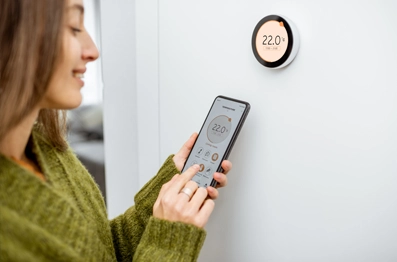
Climate control systems and automated security protocols constitute standard amenities in premium residential complexes, continuously streamlining daily operations for residents.

Immediate proximity to transit hubs
Direct proximity to major tram lines enables swift movement across multiple districts, significantly reducing commute times between business centers and residential neighborhoods.

Access to shared complex facilities
Ground-level commercial spaces often house essential retail services and outlets, creating self-sufficient micro-communities that minimize the need for extended daily trips.
Coastal living
Standalone villas along the Odessa coastline
Generous plots for outdoor entertainment
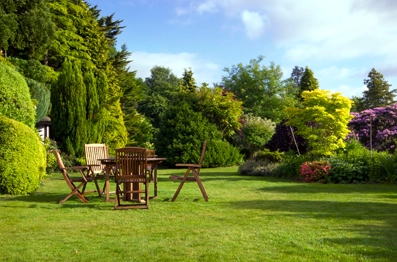
Generous plot dimensions enable extensive garden landscaping and design, featuring shaded terraces that naturally extend the main interior living space outdoors.
Modern insulation combats coastal humidity
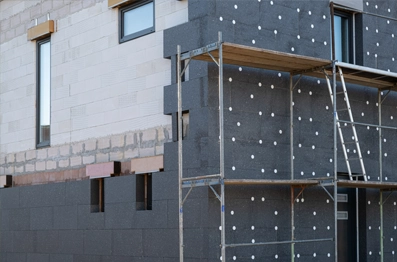
Reinforced exterior walls utilizing modern composite materials regulate indoor temperatures effectively, fighting coastal humidity during winter months while preserving summer coolness.
Protected parking with direct home access
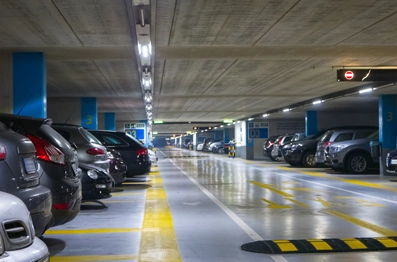
Underground or attached garage structures shield vehicles from environmental elements, offering direct, secure entry points into the main residential structure.
Urban zones
What distinguishes Odessa’s main neighborhoods?
01
Preserved neoclassical buildings downtown
Cobblestone streets wind between neoclassical facades, where preserved historical structures now serve as exclusive residential units with substantial cultural value.
02
High-rise towers with panoramic sea views
High-rise residential towers define the waterfront skyline, offering panoramic glass balconies specifically designed to capture expansive maritime horizon views.
03
Park-adjacent properties enhance air quality
Residential properties adjacent to major parks enjoy superior air quality and direct access to extensive walking trails beneath thick tree canopies.
04
Communal yards foster neighborhood connections
Lower-density historical districts maintain communal inner courtyards, fostering close-knit residential micro-communities within the broader, rapidly expanding metropolitan grid structure.

Professional management ensures property functionality
Professional property management guarantees continuous maintenance of shared infrastructure, from elevator servicing to regular facade cleaning. Dedicated staff members manage waste disposal protocols, contributing significantly to the overall hygiene and operational functionality of the premises.
Advanced security systems feature biometric access controls at main entrances and continuous perimeter surveillance. These technical solutions operate discreetly in the background, establishing secure boundaries without disrupting daily residential movement.
Stay duration
Short-term rentals ready for immediate occupancy
Fully equipped units eliminate moving logistics
Complete provisioning from kitchen to linens
Transitional housing includes complete provisioning, covering kitchen equipment and necessary linens, fully eliminating the need for logistical moving arrangements upon arrival.
Adaptable lease agreements accommodate schedule changes
Adaptable terms for unpredictable temporal requirements
Administrative processes for short tenancies consistently prioritize rapid processing, using simplified contractual documents that accommodate sudden departures or unexpected extensions effortlessly.
Bundled utilities simplify account management
Single billing for all essential services
In temporary setups, resource consumption costs stay bundled within the main tariff, avoiding the administrative burden of establishing individual municipal accounts.
Extended residence
Planning permanent residence in Odessa
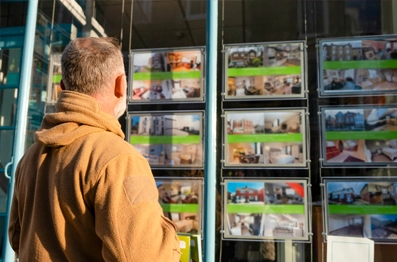
Establishing a permanent residence requires navigating municipal registration procedures and comprehending the specific infrastructural characteristics defining different segments of the municipality.
School districts determine enrollment eligibility
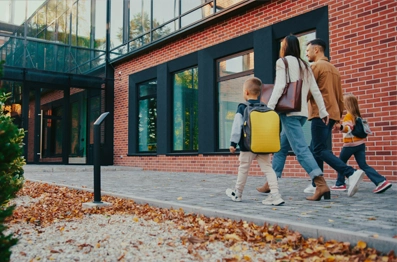
Long-term residents examine school district boundaries carefully, as institutional placement often depends directly on the registered residential address within the district.
Understanding seasonal housing price variations
Navigating annual housing cycles demands acknowledging price variations tied to seasonal demand shifts, especially near areas experiencing high summer pedestrian activity.
Winter heating systems activation thresholds
Transitioning through winter months requires verifying the effectiveness of municipal central heating systems, which activate based on specific external temperature thresholds.